
Written by Convera’s Market Insights team
Worst Q3 since 2010 for USD
George Vessey – Lead FX Strategist
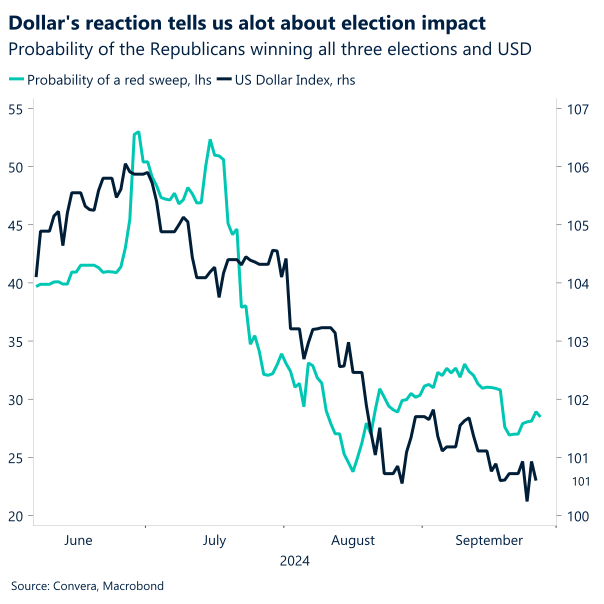
The US dollar index is on track for its worst Q3 performance since 2010, down around 5% against a basket of currencies so far. The 200-week moving average remains a key level of support for now, but the outlook remains bearish in the short term given the Federal Reserve’s (Fed) aggressive start to its easing cycle and markets pricing almost 75 basis point of extra easing before year-end.
The dollar downtrend has stalled somewhat this week though, aided by mixed US data. Revised GDP figures showed the economy grew faster than expected in the second quarter whilst durable goods orders were unchanged. Meanwhile, the number of people claiming unemployment benefits in the US dropped by 4,000 from the previous week to 218,000 and reaching a new 4-month low. The decline in US jobless claims underscores the resilience of the labour market, however earlier this week saw the labour market differential – the gap between the percentage of consumers who see jobs as plentiful minus those saying jobs are harder to find, continued to worsen, pointing to a higher US unemployment rate in the September jobs report. This could support another jumbo Fed cut before the year is up.
Thus, short-term monetary policy dynamics, which continue to drive FX, suggest the dollar moving lower still. Plus, the wave of stimulus measures, boosting global risk appetite, might further weigh on the safe haven dollar. But the US election in November adds a layer of uncertainty to the dollar bearish view, especially if we see a Republican clean sweep, which we see as the most USD positive outcome.
Quality Q3 for quid
George Vessey – Lead FX Strategist
The pound is on track for its third weekly rise on the trot against both the USD and EUR and has recorded over 2-year highs against both peers this week. Growth and yield differentials continue to favour sterling for now, whilst elevated risk appetite has arguably provided the fresh leg up of late.
The most striking bullish driver of GBP this year has been rate/yield differentials. This is because the Bank of England (BoE) has taken a more cautious approach to cutting interest rates than its peers. Markets have listened and are pricing in less rate cuts over the next couple of years. Only 40 basis points (less than two standard rate cuts) of BoE easing is priced before year-end. But we think the BoE is more likely to cut at both its November and December meetings, especially if services inflation falls back again. This presents an obvious downside risk to the pound. However, growth divergence is also in play, especially when it comes to GBP/EUR. Despite PMI surveys missing expectations in the UK and pointing to a moderation in growth, overall private sector activity has been in expansion for eleven months on the trot. The UK economy seems much healthier than Europe right now. Moreover, European political woes add to the euro’s negative case and gives the pound an additional edge.
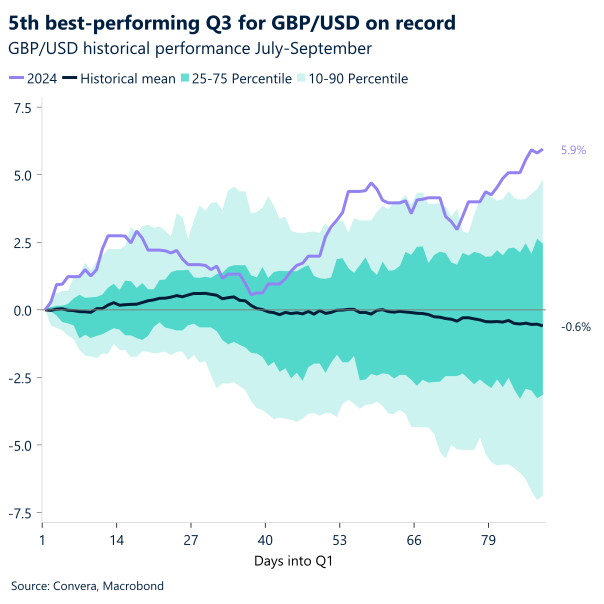
GBP/EUR needs to hold above the key €1.20 mark to establish a new, higher, trading range. But this looks more promising given it has convincingly broken above its 200-month moving average. The pair looks primed to score its best Q3 performance since 2014, whilst GBP/USD is on track to record its best Q3 performance since 2013, and its fifth best on record, defying weak seasonal trends.
Euro lifted by quarter-end flows
Ruta Prieskienyte – Lead FX Strategist
The market has embraced a more positive outlook, driven by China’s stimulus, which has boosted risk assets. Alongside increased volatility from quarter-end portfolio rebalancing, this lifted EUR/USD by over 0.5% during Thursday’s trading. The euro underperformed against commodity-backed G10 currencies but outperformed safe-haven currencies like the USD and JPY.
European equities rallied nearly 2%, breaching the 5000 level for the first time since mid-July, extending year-to-date gains to over 10%. Should the index close above this threshold by the week’s end, it could signal a breakout from the broader downtrend seen since mid-May. France’s CAC 40 also had its third-best trading day of 2024, gaining over 2% on renewed optimism around China’s stimulus package. However, downside risks for European stocks remain, stemming from persistent political risks and deteriorating Eurozone fundamentals.
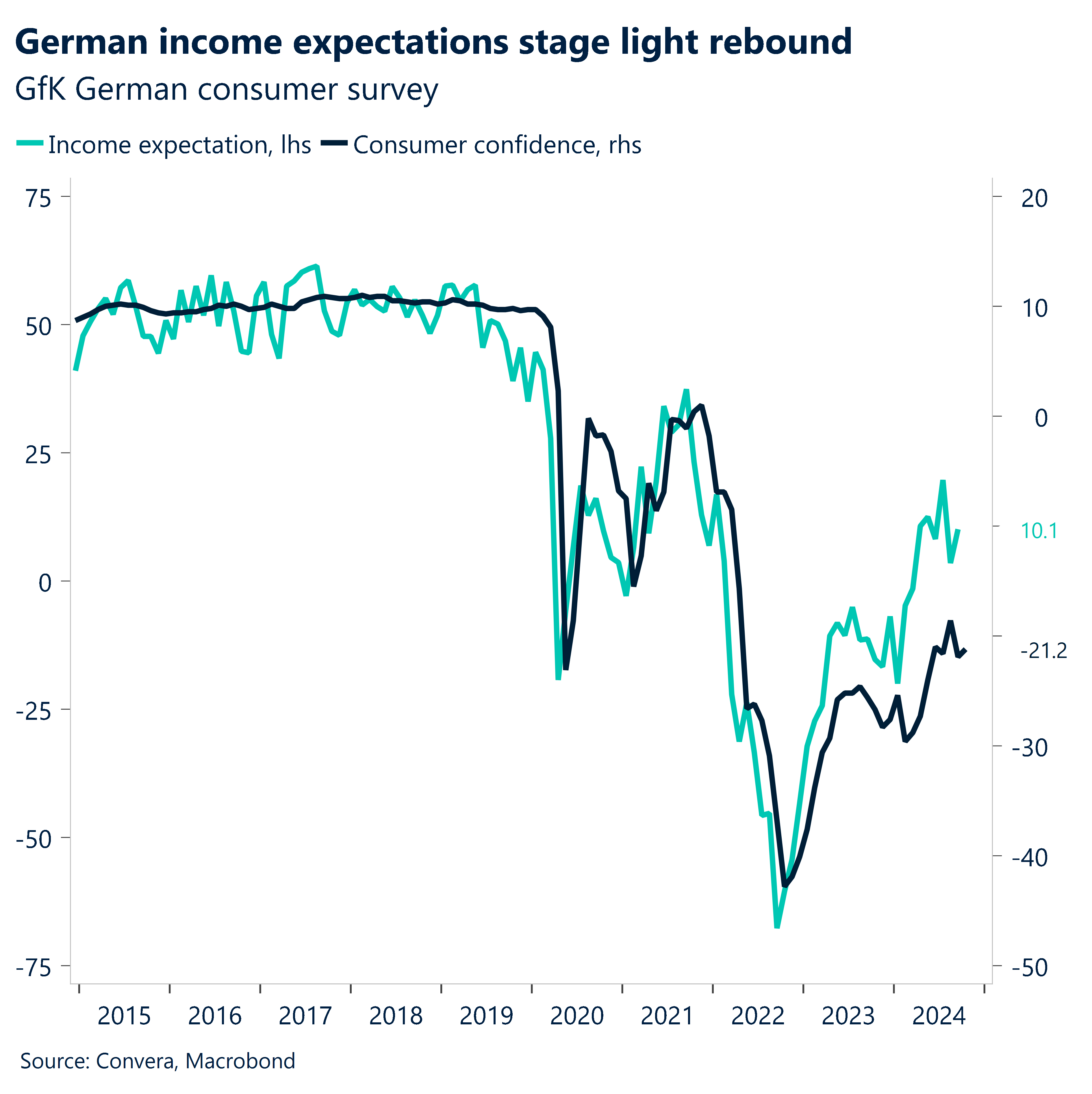
In the bond market, German yields briefly dipped to 2.07% for the first time since December 2022. Markets are increasingly concerned that the ECB may accelerate its rate-cutting campaign, potentially deviating from its quarterly cutting pace at the October meeting due to worsening economic conditions. While the GfK consumer climate indicator for Germany slightly improved, declining consumer sentiment and increased savings tendencies highlight the ongoing challenges to the region’s recovery. Rate cuts for the October meeting are now priced in at over 60%, up from 40% earlier in the week.
High beta FX outperform this week
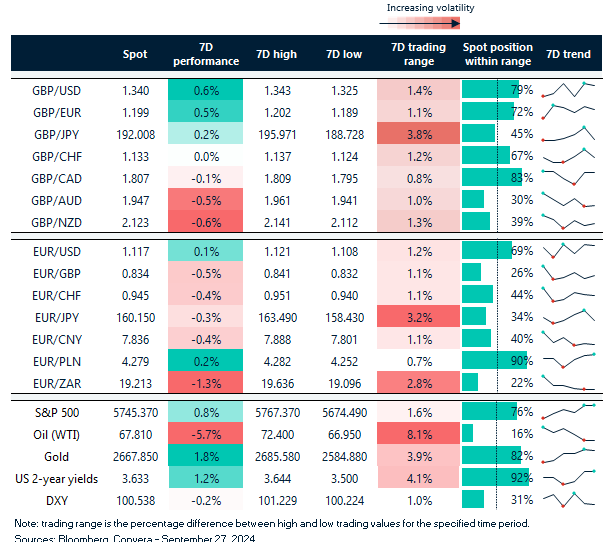
Table: 7-day currency trends and trading ranges
Key global risk events
Calendar: September 23-27
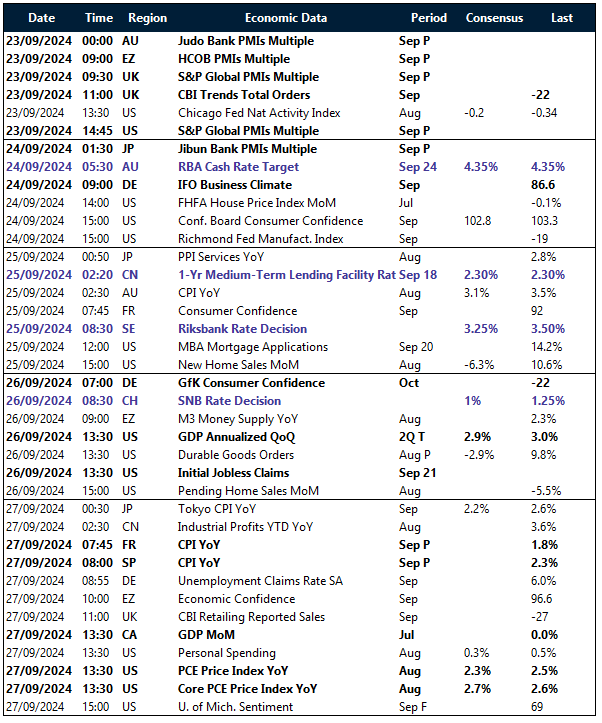
All times are in BST
Have a question? [email protected]
*The FX rates published are provided by Convera’s Market Insights team for research purposes only. The rates have a unique source and may not align to any live exchange rates quoted on other sites. They are not an indication of actual buy/sell rates, or a financial offer.